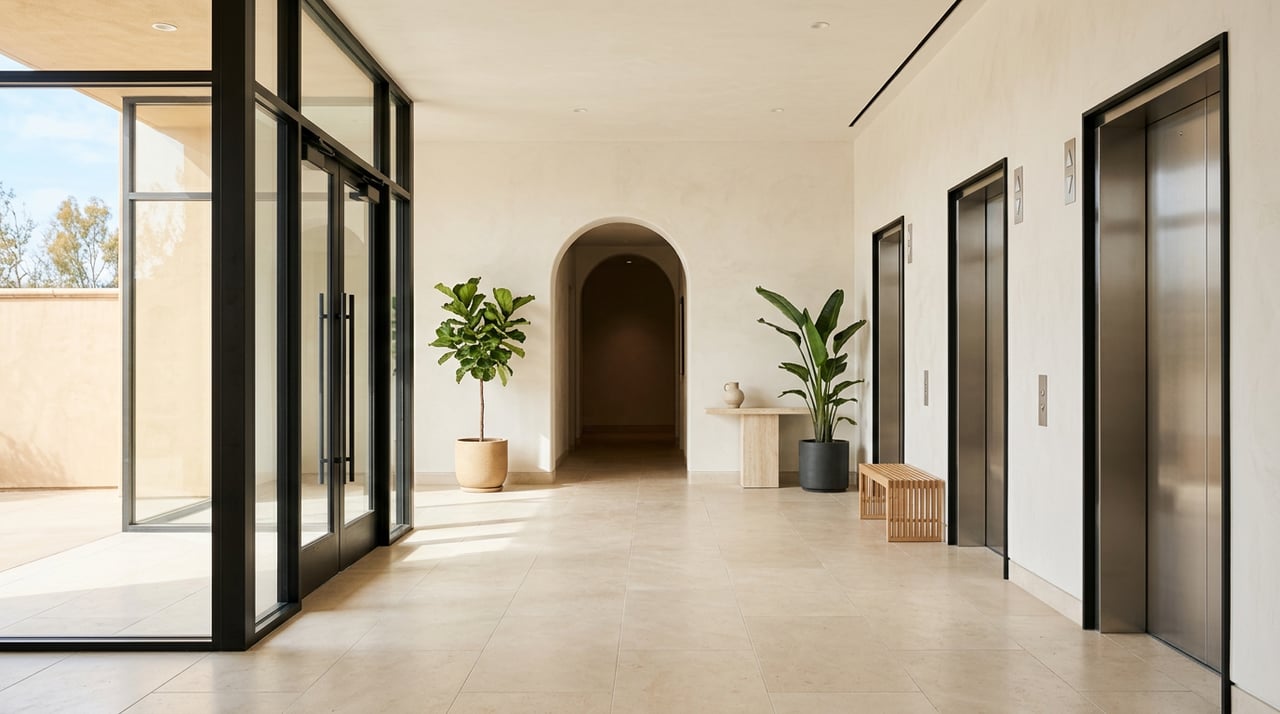
Thinking about buying a condo in San Diego? You’re not alone. Condos can be a smart way to step into homeownership while staying close to beaches, dining, and downtown energy. Still, the details matter. From HOA rules to lender approvals, a little prep now can save you from costly surprises later.
In this guide, you’ll learn the true monthly costs, what to look for in HOA documents, how financing works for condos, and the local rules that can affect your plans. Let’s dive in.
Why San Diego condos appeal
If you want location, convenience, and amenities, condos can be a great fit. Many San Diego buildings offer features like gyms, pools, or concierge services. Prices can be lower than single-family homes in similar areas, which is why condos are a popular entry point for buyers.
Plan for all monthly costs, not just your mortgage. San Diego County property taxes follow California’s Prop 13 framework, but voter-approved bonds and local assessments often push effective rates above the 1.00% base. You can review tax rate areas and learn how taxes are applied through the San Diego County Treasurer-Tax Collector’s resources. Check the specific tax rate area for your unit when you get serious about an address so you can estimate more precisely. See the county’s guidance on tax areas and assessments for context from the San Diego County Treasurer-Tax Collector.
What to include in your monthly budget
Your monthly budget should factor in more than the payment on your loan. Include:
- Mortgage principal and interest
- Property taxes based on the unit’s tax rate area
- HOA dues
- Condo insurance (HO-6)
- Utilities not covered by the HOA
- Possible Mello-Roos or special assessments if applicable
HOA dues vary by building and amenities. Full-service towers downtown often have higher dues, while smaller or mid-rise communities may be lower. Recent local reporting also shows that rising insurance costs have pushed HOA dues up in some communities. Read about how insurance pressures can affect HOA budgets in San Diego through coverage from Axios.
HOA dues and the documents you must review
In California, condo resales are governed by the Davis-Stirling Act. The seller or HOA must provide a disclosure package with the key documents buyers need to make an informed decision. Under Civil Code guidance summarized by the Davis-Stirling resource center, the association must provide requested resale documents within 10 days of a written request, and sellers are generally responsible for the document fees. Learn about disclosure and timeline requirements in Civil Code §4530.
Here is what to pull and review right away:
- CC&Rs, bylaws, and rules and regulations. Confirm pet, parking, architectural, EV charging, and rental rules.
- Current budget, balance sheet, income statement, and delinquency data. High delinquency can signal risk.
- Reserve study and the approved reserve funding plan. Weak funding is a red flag for future assessments.
- Insurance summary for the master policy and the policy’s deductible rules.
- Board meeting minutes from the last 12 months. Look for capital projects, litigation, or recurring maintenance issues.
- Estoppel/resale certificate showing dues status, special assessments, and any violations.
Red flags in the HOA packet
- Low reserves compared to the reserve study’s recommendations
- High assessment delinquencies that could impact budgets and lending
- Pending or likely special assessments for big projects like roof, elevators, or garage repairs
- Ongoing or likely litigation that could complicate financing
- Missing or outdated reserve studies that make future costs uncertain
California law requires associations to conduct reserve studies at least once every three years and maintain a plan to fund long-term repairs. A current, detailed study and a realistic funding plan are positive signs. Review the reserve study requirements in Civil Code §5550.
Insurance 101 for condo buyers
Condo owners typically carry an HO-6 policy. The coverage you need depends on the HOA’s master insurance policy type:
- Bare walls or walls-out: You insure interior finishes, fixtures, and improvements.
- Walls-in or original specifications: The master policy may cover some interior items to builder grade.
- All-in or single-entity: The master policy may insure more interior elements, though you still need coverage for personal property and liability.
Confirm the policy type and the master policy deductible. Some HOAs can allocate a portion of a large deductible to individual owners if a claim involves their unit or limited common area. Learn how master policies work and how they affect your HO-6 in this overview from HOA Member Services.
Building safety and local risks to check
Safety and compliance affect both your costs and peace of mind.
- Balcony and exterior inspections: California requires periodic inspections of certain exterior elevated elements in condo buildings under SB 326. Ask whether the building completed its SB 326 inspection, request the report, and check if repairs are planned. Read the SB 326 summary and text.
- Age and construction: Older wood-framed buildings may have different long-term maintenance needs than newer concrete high-rises. The reserve study and minutes should outline major projects.
- Coastal hazards: For units near the bay or shoreline, review coastal flooding and sea-level-rise resources when evaluating long-term risk and insurance options. The NOAA Sea-Level Rise Viewer can help you explore local scenarios.
Financing a San Diego condo
Financing a condo is different from financing a single-family home because lenders review the entire project, not just your unit. Your loan options can depend on project-level factors like owner-occupancy mix, delinquency rates, reserve funding, commercial space, litigation, and single-entity ownership concentration.
- Conventional loans: Ask your lender to review the project’s eligibility early. Fannie Mae’s project standards outline what lenders look for and how projects are reviewed.
- FHA loans: FHA offers a Single-Unit Approval pathway in some cases, but the project still must meet key conditions. Get details on the FHA rule change allowing Single-Unit Approval.
If a project is non-warrantable, you may face higher down payment needs or limited loan programs. Confirm project eligibility as soon as possible, ideally before you remove financing contingencies.
Rental rules and short-term rentals
If you plan to rent out your unit, check both the HOA’s rental rules and the City of San Diego’s Short-Term Residential Occupancy (STRO) program. Associations may set minimum lease terms or cap the number of rentals. The city also requires licenses for different tiers of short-term rentals and has limits and fees depending on unit type and location. Review the City of San Diego’s STRO program before you make plans.
Quick buyer checklist
Use this list to keep your purchase on track:
- Budget: Calculate mortgage, taxes, HOA dues, HO-6 policy, and utilities. Ask exactly what HOA dues cover.
- HOA packet: Request it right away after acceptance. Review CC&Rs, rules, budget, financials, insurance summary, minutes, and the estoppel/resale certificate. Verify the 10-day delivery requirement and who pays for document fees under Civil Code §4530.
- Reserves: Compare the reserve study to actual reserves. Ask about upcoming projects within 12 to 36 months.
- Insurance: Confirm master policy type and how deductibles are handled. Size your HO-6 accordingly.
- Safety: Ask for the SB 326 inspection report and any engineering studies or repair plans.
- Financing: Have your lender check project eligibility for conventional or FHA loans early.
- Rentals: Confirm HOA rental rules and review the city’s STRO requirements if short-term rental is part of your plan.
- Location risks: If near the coast or bay, consider flood and sea-level-rise planning tools when reviewing long-term risk.
How we can help
You deserve a smooth, informed path to the right San Diego condo. Our team guides you through HOA documents, coordinates with your lender on project approvals, and flags the issues that affect your budget and resale potential. If you want a trusted partner who explains the fine print and keeps the process moving, reach out to us.
Have questions about a specific building or want a second look at an HOA packet? Connect with Janet Cisneros for a friendly, no-pressure consultation. Hablamos español.
FAQs
What are typical HOA dues for San Diego condos?
- Dues vary by building and amenities. Full-service towers often charge more, while smaller communities may charge less. Local reporting shows insurance costs have pushed some HOA budgets higher in recent years.
What condo documents should I review before lifting contingencies?
- Ask for the Davis-Stirling resale packet, including CC&Rs, rules, current budget and financials, reserve study, insurance summary, recent minutes, and an estoppel/resale certificate showing assessment status.
How do reserve studies affect me as a buyer?
- A strong reserve study with realistic funding reduces the chance of large special assessments. California requires most HOAs to update reserve studies at least every three years.
What is SB 326 and why does it matter?
- SB 326 requires periodic inspections of certain exterior elevated elements like balconies and walkways in condo buildings. Findings can lead to repair projects and assessments, so ask for the latest report.
How do lenders decide if a condo is financeable?
- Lenders review the building’s occupancy mix, reserves, delinquency rates, litigation, commercial space, and more. Fannie Mae and FHA have project standards that your lender will check.
Can I use my condo for short-term rentals in San Diego?
- It depends on both the HOA rules and the City’s STRO program. Some associations restrict short-term rentals, and the city requires specific licenses and fees for eligible units.