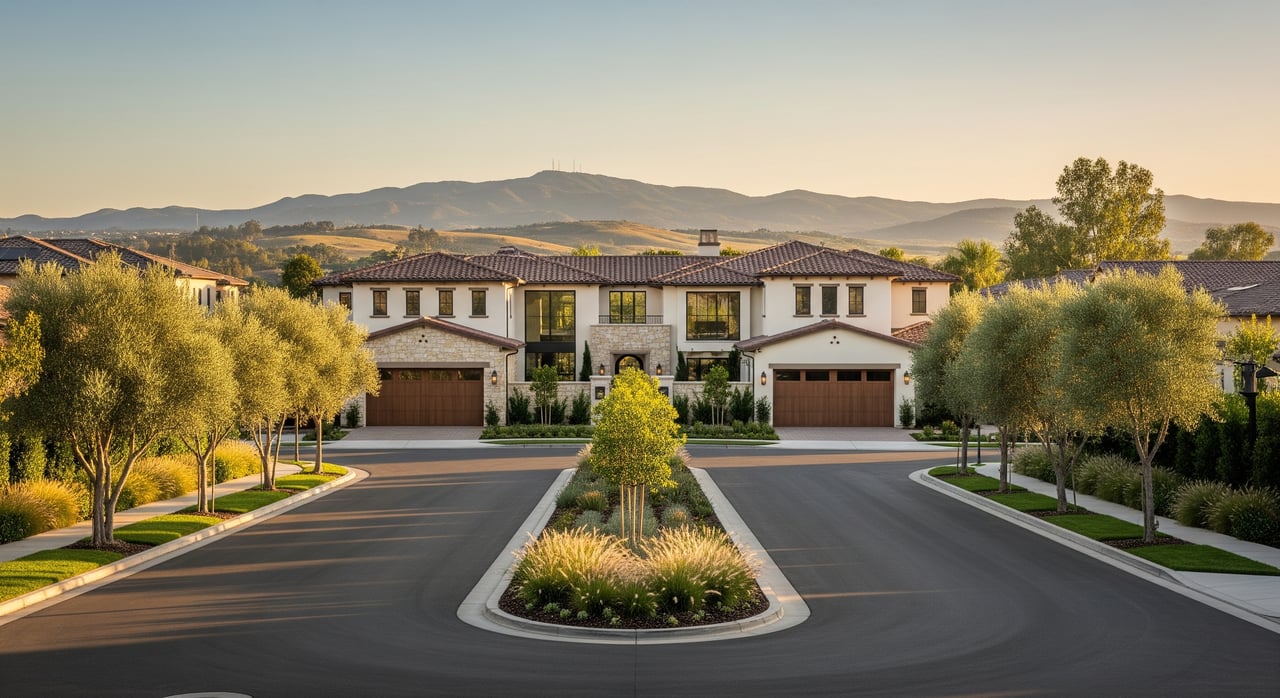
Thinking about a move to Winchester and wondering how master-planned living fits with your daily commute? You’re not alone. Many buyers look to this Inland Empire community for newer homes, neighborhood amenities, and more space while still staying connected to regional job hubs. In this guide, you’ll learn what master-planned communities offer, what fees to expect, and how to think about commute choices from Winchester. Let’s dive in.
Why Winchester appeals to relocation buyers
Winchester sits in Riverside County within Southern California’s Inland Empire, near established cities like Temecula, Murrieta, and Riverside. You’ll find a mix of master-planned neighborhoods and growing residential areas that offer a suburban feel with newer construction. If you want modern floor plans, parks and trails, and coordinated neighborhood design, Winchester’s developments are worth a close look.
For many buyers, the draw is predictability. Planned communities typically organize homes, amenities, and landscaping around a cohesive vision. You get a sense of what is built today and what is planned next, which helps you picture how your investment may live and perform over time.
Master-planned living: what to expect
Master-planned communities focus on a complete neighborhood experience. The details vary by subdivision and builder, but the structure is similar across many Inland Empire developments.
Amenities and lifestyle
You’ll often see parks, playgrounds, walking and biking paths, dog areas, and sometimes pools or clubhouses. Some communities host seasonal events or offer HOA-supported activities. These features create built-in gathering spots and daily routines close to home.
HOA rules and community standards
Most master-planned neighborhoods use a homeowners association to maintain common areas and uphold design guidelines. Expect architectural review for exterior changes, rules for landscaping and parking, and standards for short-term and long-term rentals. Ask how often the HOA meets, how architectural approvals work, and whether there are current or upcoming special assessments.
Property taxes, Mello-Roos, and fees
Many newer California communities use Mello-Roos or other special assessments to fund infrastructure. These charges are paid through your property tax bill and vary by tract. Combine these with HOA dues to understand your true monthly cost of ownership. Confirm which services your HOA covers, such as landscaping for common areas, amenity upkeep, or security.
Construction stage and future phases
If you’re buying in an area under active buildout, you may experience construction traffic and noise. Ask about the timeline for future phases, any planned schools or retail, and projected completion dates. This helps you plan for day-to-day impacts and future resale dynamics.
Questions to ask on your first tour
- What are the exact HOA dues, and what do they include?
- Are there Mello-Roos or other special assessments? If so, how long do they last?
- What is the current buildout stage, and what future phases are approved?
- Are there rental restrictions or pet rules that affect your plans?
- How are architectural changes reviewed and approved?
- What is the policy on community amenities access and guest use?
Home types and floor plans you’ll see
Winchester’s newer neighborhoods commonly feature:
- Single-family detached homes with 3 to 5 bedrooms and attached garages.
- Paired homes or townhomes in select tracts that offer lower maintenance.
- Open-concept designs with flexible lofts, office spaces, and outdoor rooms.
- Modern energy features that can reduce utility usage compared with older housing stock.
If you need space for remote work or multigenerational living, focus on floor plans with a first-floor bedroom suite, a dedicated office, or a bonus room that can shift with your needs.
Commuting from Winchester
Your commute experience will depend on where you work and when you travel. Winchester connects to regional corridors that feed into nearby job centers in the Inland Empire and into larger markets like Orange County, coastal Los Angeles, and San Diego. Peak times can be heavily congested in Southern California, so planning pays off.
Driving overview
Most residents rely on a personal vehicle. You’ll have multiple route options toward nearby cities, which helps when there are incidents or construction. Peak-direction traffic is a reality in the region, so test-drive your route during the times you expect to travel. Check how drive times vary between early departures and traditional start times.
Transit and park-and-ride options
Commuter rail and regional bus services in the broader area can be part of a hybrid commute. Many residents drive to a park-and-ride or to a commuter rail station in a nearby city, then continue by train or bus. Review schedules, parking availability, and first-mile/last-mile connections before you commit. Transit can reduce stress and provide predictable arrival times, especially for long cross-county trips.
Hybrid work and flexible schedules
If your employer supports remote or hybrid schedules, you can compress commute costs and time by clustering office days or traveling outside peak congestion. When touring homes, imagine where you will set up a dedicated workspace and how strong internet options are on your specific street.
Commute cost savers
- Consider carpooling or vanpool options if your hours align.
- Compare the cost of toll or express lanes with potential time savings if available on your route.
- If you drive an EV or plug-in hybrid, check your garage charging setup and public charging nearby.
- Track parking costs near your workplace if you plan to drive the full way.
Schools, services, and daily needs
School assignments in this area vary by address and district boundaries. Always verify your specific home’s assigned schools directly with the district before making decisions. If you prefer private or charter options, map out commute times and enrollment processes.
Public safety, fire protection, and utilities are provided through county and regional providers. When evaluating a home, confirm the water, sewer, trash, and internet service providers for the address. Many planned communities are wired for high-speed internet, but availability can change block by block. Ask about options for fiber, cable, or fixed wireless so your remote work setup is reliable.
Healthcare access includes nearby hospitals and urgent care centers in the broader region. Plan your route to the nearest hospital and check typical drive times both on and off peak.
Cost of ownership in a master-planned community
To understand your monthly budget in Winchester, assemble every recurring cost in one place.
- Mortgage and interest. Confirm your rate options and buydowns offered by builders if you are considering new construction.
- Property taxes. Ask for the current tax rate plus any special assessments for the tract.
- HOA dues. Note payment frequency, what is included, and any recent fee changes.
- Utilities. Compare average monthly costs for similar homes, especially electricity and water.
- Home insurance. Get quotes for standard coverage and consider earthquake coverage as a separate add-on in California.
A side-by-side comparison across homes will make tradeoffs clear. A slightly higher HOA payment may be offset by lower maintenance or included amenities you would otherwise pay for out of pocket.
A smart relocation game plan
Use this simple process to move from browsing to confident decisions:
- Clarify your must-haves. List bedrooms, workspaces, yard size, parking, and preferred amenities.
- Map your week. Sketch your typical work, school, and activity routes, then test-drive them during likely travel windows.
- Tour across time. Visit neighborhoods on weekdays and weekends, morning and evening, to gauge traffic and noise.
- Review documents. Read CC&Rs, HOA rules, and fee schedules before you write an offer. Ask about reserve studies and planned improvements.
- Budget precisely. Add mortgage, taxes, HOA, and utilities to a monthly total. Include commute costs.
- Prepare financing. Get preapproved and know your closing cost options, especially if a builder offers incentives.
- Plan your offer. Use recent comps, buildout timing, and any seller or builder concessions to negotiate confidently.
How we help you relocate with confidence
You deserve a guide who understands both the emotional and financial sides of a move. Our team offers buyer representation, relocation support, and new-construction guidance rooted in local experience. We help you compare neighborhoods, review HOA and Mello-Roos details, and test-drive commute options so you know what daily life will look like.
When you are ready, connect with Janet Cisneros for a friendly strategy session. We will tailor tours, share up-to-date market context, and help you land the right home on the right terms. Se habla español.
FAQs
How do commutes from Winchester compare to nearby cities?
- Commute times vary widely by route and departure time. Test your drive during peak and off-peak windows and consider park-and-ride or commuter rail options available in nearby cities.
What is Mello-Roos and will I pay it in Winchester?
- Mello-Roos is a special assessment used to fund infrastructure in many newer communities. Some neighborhoods have it and others do not, so verify the exact amount and term for each property.
Do all Winchester master-planned neighborhoods have HOAs?
- Most planned communities have an HOA to manage amenities and design standards. The fee amount and rules vary by tract, so review the CC&Rs and budget before you buy.
Can I rent out my home in a master-planned community?
- Many HOAs have rental policies that limit short-term or long-term rentals. Check the community’s rules for any minimum lease terms or caps before you proceed.
Which schools serve a specific Winchester address?
- School assignments depend on exact location and district boundaries. Contact the local district to confirm your address’s assigned elementary, middle, and high schools.
Is new construction available in Winchester right now?
- The area includes established and actively developing neighborhoods. Ask about current phases, builder timelines, and any incentives for new homes.
What should I budget beyond the mortgage?
- Include property taxes, any Mello-Roos assessments, HOA dues, utilities, and insurance. Request itemized estimates for the specific home so you can compare options accurately.