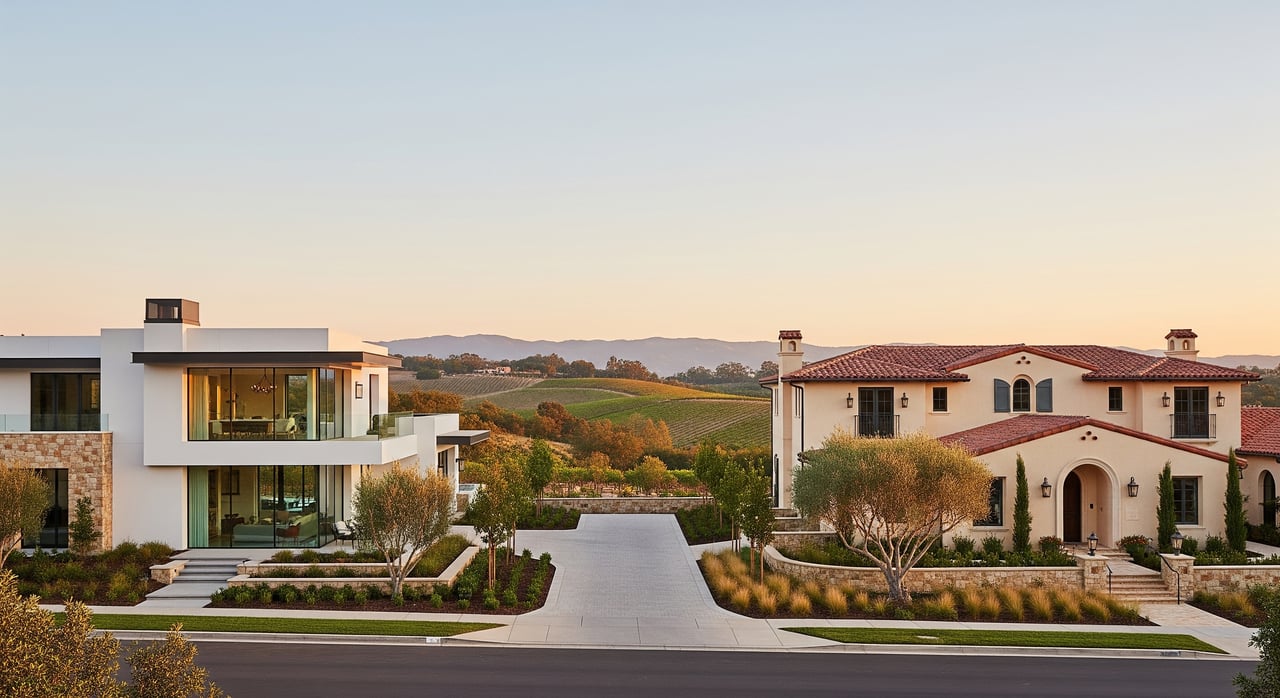
Torn between a shiny new build and a charming resale in Temecula? You are not alone. With active development across southwestern Riverside County and a steady flow of established homes, the choice can feel big and a bit confusing. In this guide, you will learn how new construction and resale stack up on cost, timing, customization, warranties, and long-term value in Temecula. Let’s dive in.
New vs resale: quick take
Buying new often means modern design, energy-efficient systems, and builder warranties. You may also see a price premium and community costs like HOA dues or special assessments. Resale homes can offer a lower entry price, mature neighborhoods, and quicker move-in, but may need repairs or upgrades.
- New construction pros: modern code compliance, customization, builder warranties, lower immediate maintenance.
- New construction cons: price premiums, possible Mello‑Roos or HOA costs, build delays, limited price negotiation.
- Resale pros: mature neighborhoods, established comps for appraisal, potential for lower price, faster timelines.
- Resale cons: near-term maintenance, fewer warranties, older systems.
Purchase price and total cost
New homes in Temecula often carry a premium for modern features and perceived value. Resale properties may list lower, yet you should budget for repairs or updates. The best way to compare is to look at your total monthly and first-year costs.
Builder incentives and net cost
Builders commonly offer incentives, such as closing cost credits, rate buydowns, or upgrade packages. These can reduce your effective cost and may make a higher base price competitive with resale. Always read the fine print, especially if incentives are tied to using a preferred lender or specific loan terms.
Ongoing costs in new communities
Account for homeowner association dues and special taxes. In newer Temecula subdivisions, Community Facilities District assessments, often called Mello‑Roos, help fund infrastructure and can add a meaningful annual cost. Ask for the current tax bill and assessment schedule before you decide.
Financing and contract differences
How you finance and what you can negotiate will vary between new construction and resale. The details can affect your cash to close and your level of protection.
Builder lenders and conditions
Many builders have preferred lenders with promotional rates or closing credits. Incentives may be conditioned on using that lender, and some offers include temporary rate buydowns or specific mortgage insurance rules. Make sure you understand rate locks, fees, and any conditions that could change your payment.
Contingencies and negotiation
Resales typically allow common contingencies for inspection, appraisal, and financing. Builders can be less flexible, and some will not accept offers contingent on selling your current home. In any market, builders often avoid base price cuts and instead adjust incentives. Resale sellers may be more open to price or credits depending on days on market and local inventory.
Timing and move-in certainty
Your timeline can be a deciding factor.
Resale timelines
Most resale purchases close on a schedule driven by loan approval and escrow. If you are ready and the seller is motivated, you can often move in relatively quickly.
New build timelines and delays
New construction timelines vary. Spec homes may be ready soon, while to‑be‑built homes take months and can face delays from materials, labor, or inspections. Confirm expected completion, how delays are handled in the contract, and what your options are if the schedule shifts.
Customization, inspections, and quality
New homes let you choose finishes and features. That flexibility can raise the price and sometimes complicate appraisals if upgrades outpace recent comparable sales.
Upgrades and appraisals
Ask the builder for line‑item pricing on upgrades and compare to recent neighborhood sales. Keep an eye on return on investment for costly finishes that might not appraise as high as you expect.
Always get inspections
New does not mean perfect. Independent inspections are still recommended before closing and again near the one‑year mark to address punch‑list issues. For resale, standard inspections and termite or roof checks often lead to negotiated repairs or credits.
Warranties and protection
Warranties are a major difference between new and resale purchases.
Builder warranty basics
New homes typically include limited warranties that cover workmanship for the first year, major systems for a longer window, and structural coverage that can extend up to ten years. Review what is covered, what is excluded, and how claims are handled.
Resale protections
Resale homes rarely include builder warranties. Your protection comes from thorough inspections, seller disclosures, and any negotiated credits or repairs during escrow.
Location, schools, and resale value
In Temecula, the neighborhood and lot often matter more than whether the home is new or resale. Established areas may offer mature landscaping, stable streetscapes, and a track record of comparable sales. Newer subdivisions can appreciate as they build out, though value growth may be slower while nearby phases are still under construction.
Neighborhood maturity
If you prefer quiet streets and finished amenities, resale neighborhoods may fit you better. If you want brand‑new amenities and a modern streetscape, a developing master‑planned community could be a strong option. Ask about future phases, roads, or amenities that might affect daily life.
Schools and amenities
School assignments in the Temecula Valley Unified School District depend on your specific address and can change with growth. If schools are important to you, verify the current boundaries and confirm planned changes before you commit.
Taxes, HOAs, and rules
California property taxes are governed by Proposition 13 and are reassessed when you buy. Newer communities can also add special taxes and community fees that change your monthly budget.
Property taxes and assessments
Request the preliminary tax bill for any property you are considering. If there is a Community Facilities District, review the assessment schedule, current amount, and how long it lasts.
HOA documents to review
Ask for CC&Rs, budgets, and any reserve studies. New communities may have lower dues early on, but fees can rise as amenities are completed and maintained. In established HOAs, check for recent special assessments and the financial health of reserves.
Energy, solar, and insurance
New homes are built to current California codes and often include energy‑efficient features. Beginning with recent code cycles, most new single‑family homes include rooftop solar, which can lower utility costs.
California codes and solar
Confirm what energy features are standard and whether solar is owned or leased. If leased, review payment terms and transfer conditions. Ask for estimated energy costs to compare with resale homes.
Wildfire risk and quotes
Parts of the Temecula area sit near wildland‑urban interface zones. Insurance availability and premiums can vary based on risk. Get homeowners insurance quotes early and verify any fire or flood hazard disclosures in your Natural Hazards Disclosure.
Your Temecula decision checklist
Use this checklist to compare a new build and a resale on an equal footing:
- Confirm your total monthly cost: mortgage, property tax, insurance, HOA dues, and any Community Facilities District or Mello‑Roos assessment.
- For new construction: obtain the builder purchase agreement and addenda, written warranty terms, HOA documents, and CFD disclosures with the tax schedule.
- For resale: review seller disclosures, repair history, permits, HOA documents if applicable, and recent utility and property tax bills.
- Schedule inspections: general home inspection, termite, roof, HVAC as needed. For new homes, add a pre‑close inspection and a follow‑up near the one‑year mark.
- Verify energy features and solar ownership or lease terms. Request estimated utility costs.
- Get homeowners insurance quotes early and check wildfire or flood maps in the NHD.
- Confirm Temecula Valley Unified School District boundaries for the exact address.
- Ask about neighborhood build‑out plans, future roads, and nearby phases that could affect noise or traffic.
- If using builder incentives, document any lender conditions and rate lock details in writing.
Which path fits your goals?
Choose new construction if you value modern design, energy efficiency, and warranty protection, and you have flexibility on timing. It can be a win if incentives offset the premium and you are comfortable with HOA or special assessments.
Choose resale if you want a faster move‑in, mature landscaping, and a known neighborhood profile. Budget for repairs or updates, and use inspections and disclosures to negotiate fair credits.
If you want help comparing specific Temecula neighborhoods, incentives, and total monthly costs line by line, connect with a local expert who guides buyers through both new and resale paths. When you are ready, reach out to Janet Cisneros for a friendly, data‑driven consult.
FAQs
What are the main cost differences in Temecula?
- New homes may have higher base prices and could include HOA dues and Community Facilities District assessments, while resales may list lower but can need repairs or upgrades.
Do builders in Temecula offer good incentives?
- Builders commonly offer closing credits, rate buydowns, or upgrade packages, but incentives often depend on using a preferred lender and specific loan terms.
How long does new construction take compared to resale?
- Resales can close relatively quickly with loan approval, while to‑be‑built homes may take months and can face delays from materials, labor, or inspections.
Do I still need an inspection on a brand‑new home?
- Yes. Independent inspections before closing and near the one‑year mark help catch punch‑list items and ensure warranty issues are handled.
What should I know about Mello‑Roos in newer areas?
- Community Facilities District assessments can add a significant annual cost in newer subdivisions, so you should review the current amount and the long‑term schedule.
How do schools affect my choice between new and resale?
- School assignments depend on the specific address and can change, so verify current Temecula Valley Unified School District boundaries before you buy.