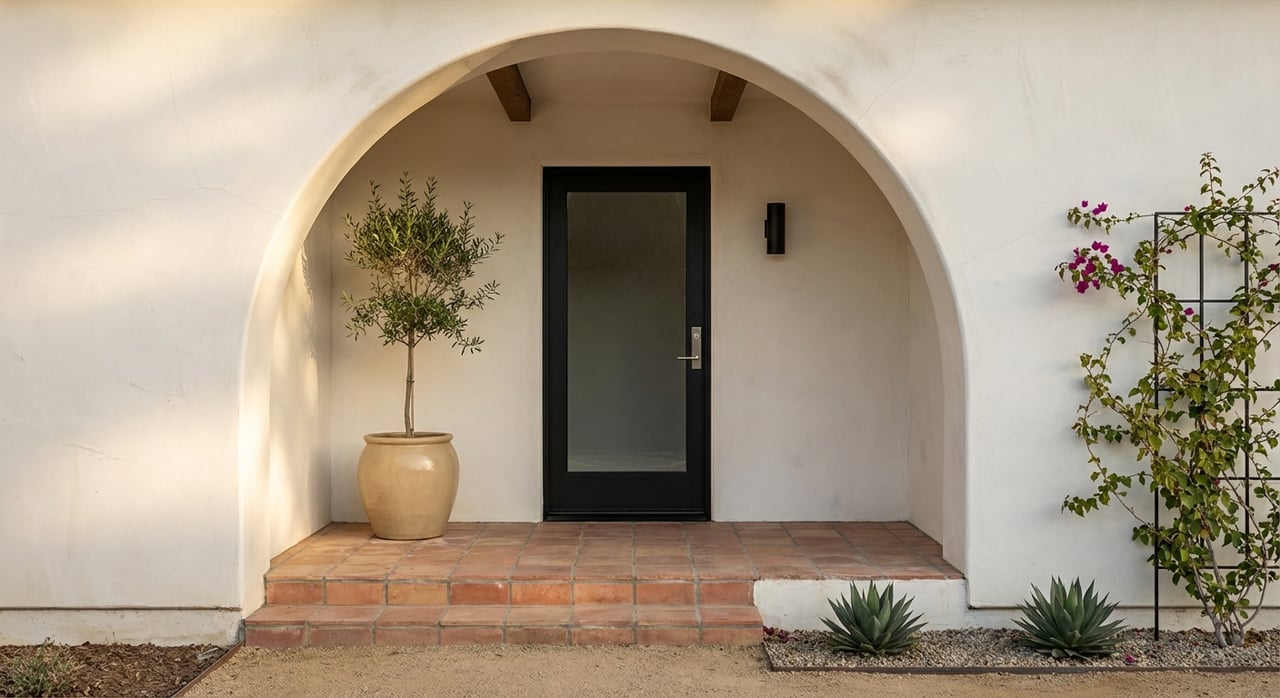
Is Escondido’s vintage charm calling your name, or does a brand‑new, move‑in‑ready home feel right? Choosing between an older character home and a new build is a real tradeoff of style, features, maintenance, and timelines. You want beauty and value without surprises. In this guide, you’ll compare what you actually get in Escondido, what it costs to maintain, and how local rules can shape your plan. Let’s dive in.
Escondido market snapshot
Escondido’s housing offers real variety by neighborhood and product type. As of January 2026, recent snapshots showed a median sale price around $780,000, with meaningful differences between areas like Central Escondido, North Broadway, and the 92025 core. This spread matters if you are debating “charm vs new,” because lot sizes, age, and features drive price and ongoing costs.
Where you’ll find historic charm
If you love character, start with the Old Escondido Historic District, roughly bounded by Escondido Blvd, Chestnut St, and 5th to 13th Avenues. You’ll see Victorians, Craftsman bungalows, and early 1900s styles under mature trees and pedestrian‑friendly streets. Buying here means following local historic‑district processes, like Certificates of Appropriateness for exterior changes and potential Mills Act tax incentives for qualified properties. Review the district’s ownership guidance for rules and resources at the Old Escondido Historic District homeowner page.
Where you’ll find new builds and infill
Escondido continues to add new housing through infill and mixed‑use projects, especially near downtown. A prominent example is the Palomar Heights redevelopment, which includes for‑sale rowhomes and rental apartments that bring modern layouts and finishes to the city core. The city also supports small‑scale infill with a Pre‑Approved ADU (PAADU) program to help homeowners add backyard units more efficiently.
Lot size, layout, and zoning basics
Older neighborhoods often feature irregular lots, mature landscaping, and a mix of small to generous parcels. Newer subdivisions and downtown rowhomes tend to have more uniform footprints, smaller private yards, and attached garages that favor efficiency. City zoning helps explain the differences: for example, single‑family subzones like R‑1‑6 call for minimum 6,000 square foot lots, while other R‑1 categories step up from there. This is why newer tract homes often feel more standardized while older districts offer greater lot variety.
What you get with a historic home
- Distinct architecture. Expect original woodwork, built‑ins, and period details that add warmth and uniqueness.
- Street character. Mature trees, human‑scale streets, and front porches create a classic residential feel.
- Renovation rules. In the Old Escondido Historic District, exterior changes may require approvals. The city’s preservation program outlines processes and information on incentives. Explore the city’s Historic Preservation resources for context.
- More inspections. Older homes often need deeper due diligence on systems, roofs, and drainage.
What you get with a new build
- Energy features. California’s Title 24 requires rooftop solar on most new low‑rise homes permitted since 2020, and later code cycles strengthen energy and electric‑ready standards. You are likely to see solar PV, efficient HVAC, dual‑pane windows, and higher insulation as baseline features. Learn more from the California Energy Commission’s Title 24 docket.
- Modern conveniences. Contemporary kitchens and baths, EV‑charger rough‑ins, and smart‑home wiring are common.
- Lower near‑term upkeep. Warranties and newer materials reduce early maintenance.
- HOA structure. Many townhomes and some subdivisions include HOA‑managed exterior areas and rules.
Maintenance and “hidden” costs to expect
Older homes can deliver daily delight, but they often come with a longer to‑do list. Typical inspection findings include aging roofs, dated electrical and plumbing, and single‑pane windows. Homes built before 1978 may contain lead‑based paint, which brings specific safety rules during renovations under the EPA’s Renovation, Repair and Painting program. In Southern California, drywood termites are a common risk that requires inspection and, at times, professional treatment, as noted by UC IPM.
Budget ranges matter. Roof replacements in San Diego County often run about $8,000 to $25,000 depending on size and materials, according to RoofingCalc. Cosmetic refreshes are more predictable, while full kitchen or bath gut remodels can reach into the tens of thousands. Termite tenting can cost thousands, and structural repairs from termite or dry‑rot damage can climb into the mid five figures depending on severity.
Insurance costs can be higher for older properties if systems are outdated or materials are hard to source. Industry analyses show that home age and replacement cost influence premiums, as outlined by Bankrate. Lender requirements also matter. FHA, VA, and many conventional loans expect safe electrical, a sound roof, and a functioning heating system, so deferred maintenance can shape your negotiation or timeline.
Timelines, inspections, and permits
For any resale home, you will complete standard inspections, negotiate repairs or credits, and close. Older homes may add steps like sewer scopes, roof evaluations, or pest reports, which can extend contingency periods by days or weeks while you gather contractor bids. New builds are often marketed as move‑in ready with builder and structural warranties, but you should still order a new‑construction inspection. ASHI notes that new homes can have defects that are easier to address before you move in, and they recommend independent inspections for new construction as well. Learn more from ASHI’s new‑home inspection guidance.
Planning future additions? If you aim to add an accessory dwelling unit, the City’s PAADU program can help streamline design and review. Actual permit timelines vary by scope and staffing, and many projects take several months from submittal to approval, so check with the city for current processing guidance.
Resale and long‑term value
Historic character can stand out at resale, especially when systems are updated and period details are intact. Buyers value thoughtful preservation paired with modern function. Newer homes market well on efficiency, warranties, and lower upkeep. In HOA communities and townhome clusters near downtown, walkability and modern finishes can be powerful draws. Your best long‑term value often comes from addressing safety and system upgrades first, then focusing on curb appeal and light cosmetic improvements.
Quick buyer checklist
Historic or older homes
- Confirm whether the property sits in the Old Escondido Historic District and ask about any Certificates of Appropriateness for past exterior changes.
- Ask the seller for documentation of any Mills Act contract or similar incentives.
- Order targeted inspections for electrical, plumbing, roof, foundation, drainage, and pests.
- Verify that any additions or garage conversions were permitted.
New builds and infill
- Ask what energy features are included: solar PV system size, HERS rating, insulation, and EV‑charger rough‑in.
- Request builder warranty details: what is covered, for how long, and the claims process.
- Review HOA rules, fees, and what exterior items the HOA maintains.
- Walk the lot after rain if possible to understand drainage and landscape irrigation.
For every home
- Always order a full home inspection, plus targeted add‑ons where flagged by age or condition.
- Use inspection results to prioritize negotiation requests: safety first, cosmetics later.
- Review insurance quotes early, since home age and systems can affect premiums.
How to choose: a simple scorecard
- You want vintage details, larger or unique lots, and are ready for hands‑on care. Consider Old Escondido or pre‑war neighborhoods with character.
- You want efficiency, warranties, and quick move‑in. Focus on recent subdivisions, townhomes, and downtown infill.
- You need flexibility for multigenerational living or rental income. Shop lots with ADU potential and study the city’s PAADU resources.
- You have a set budget for improvements. Price the home plus realistic repair or upgrade costs, then compare that total to similar move‑in‑ready options.
Ready to narrow your options and buy with confidence in Escondido? Let’s talk through your must‑haves, budget, and timeline so you can choose the right path with fewer surprises. Connect with Janet Cisneros for local guidance on historic homes, new construction, and everything in between.
FAQs
What are the main differences between historic and new homes in Escondido?
- Historic homes offer unique architecture and established streetscapes, but they often need system upgrades and careful permitting for exterior changes. New builds deliver modern efficiency, solar requirements under state code, and lower early maintenance.
How do Old Escondido Historic District rules affect remodeling?
- Exterior changes may require approvals through the district’s process. Plan ahead for design review and ask sellers for documentation of any past approvals and potential Mills Act participation.
Do new homes in Escondido include solar panels by default?
- Most new low‑rise homes permitted since 2020 must include rooftop solar or an approved alternative under California’s Title 24 energy standards. Always confirm system size and features with the builder.
What maintenance costs should I budget for with older homes?
- Common items include roof work, electrical and plumbing updates, termite treatment, and window or insulation upgrades. Roof replacements often range from about $8,000 to $25,000 depending on the home and materials.
Can I add an ADU for rental or multigenerational living?
- Many lots can support an ADU, and Escondido’s pre‑approved plans can speed review. Timelines vary by design and city workload, so check current guidance before you begin.
Are townhomes and infill a good option if I want less upkeep?
- Yes. Many infill townhomes have smaller private yards, modern systems, HOA‑managed exterior areas, and walkable access to services, which can reduce day‑to‑day maintenance compared with larger single‑family lots.